
Lovely Ladies
Managing your Intact Female
Heat cycles, scientifically referred to as the estrus cycle, in female dogs can be a little bit intimidating with your first female! I’ve put together this guide to help you navigate this time and hopefully answer common questions so you feel well informed and confident moving forward.
Female Puppy Prep and Supplies
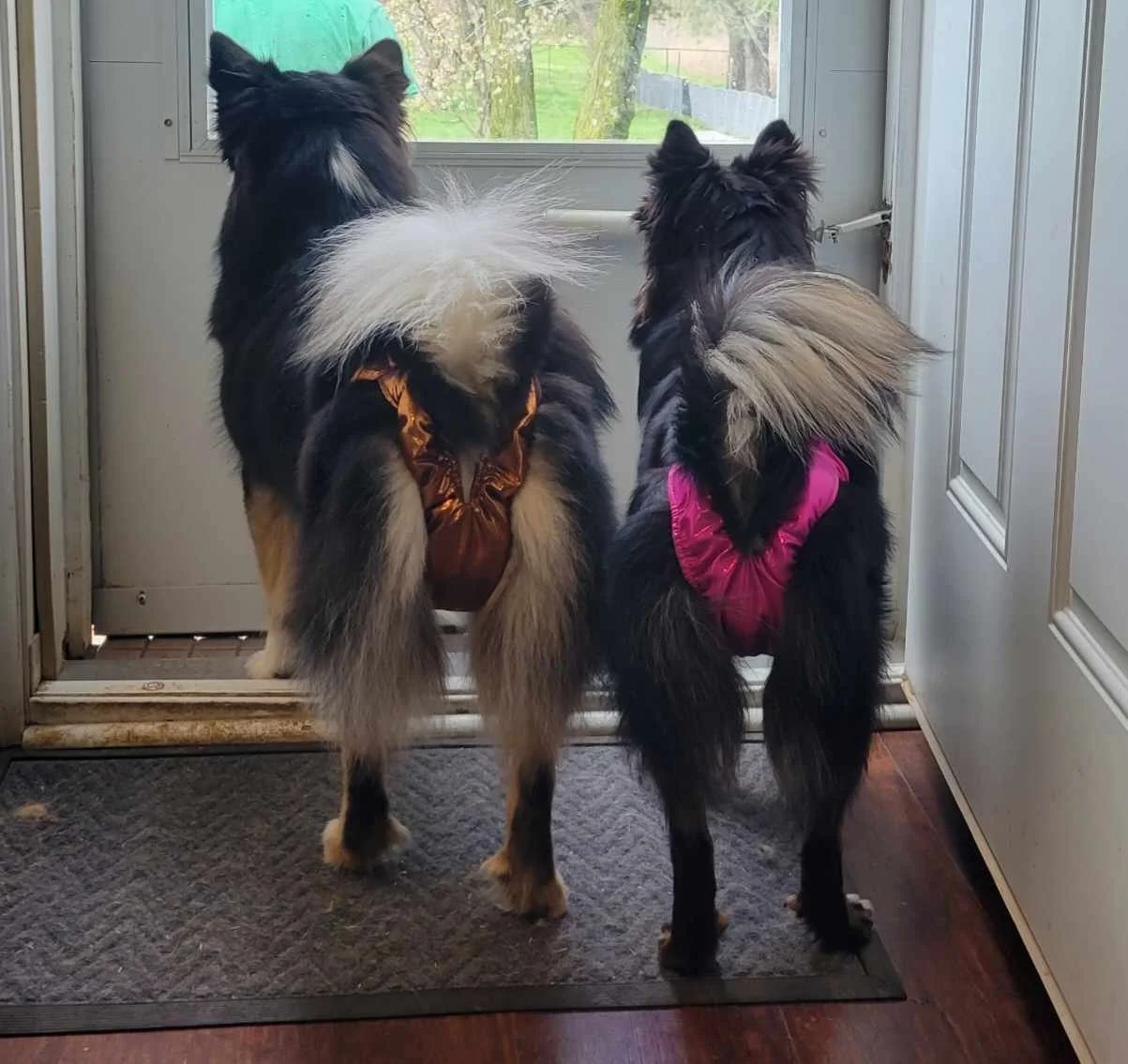
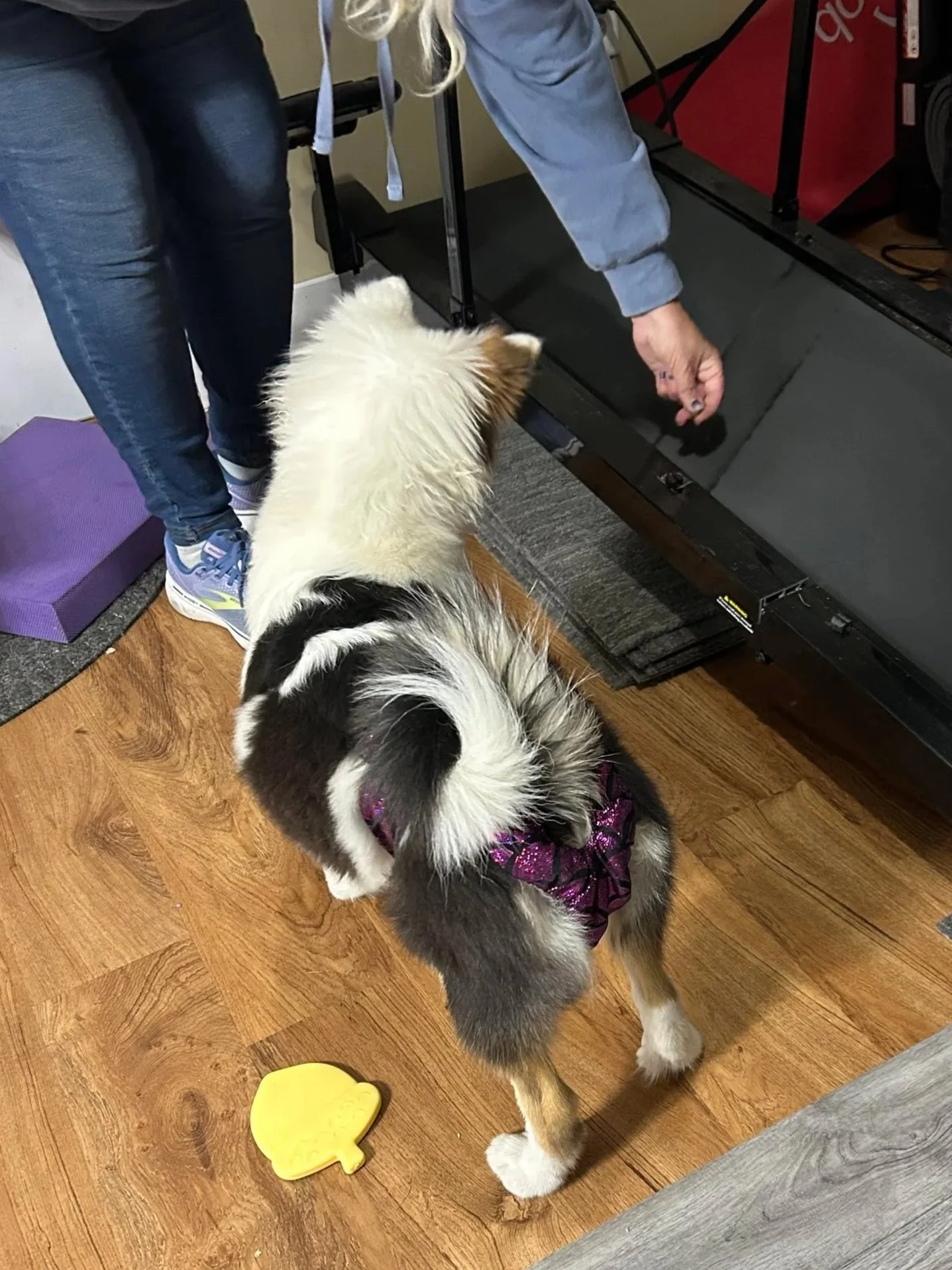
When bringing home a girl puppy, I do recommend starting them on pants training when they are about 3-4 months old. For Icelandic Sheepdogs, my pants of choice are Pants for Dogs - French Cut (size small or extra-small). These pants are ideal for high tail sets to help keep things more comfortable and also reduce the amount of discharge that collects in the infamous icie butt fluff. I place a thin or small panty liner into the pants that can be changed out easily. Make sure to change out the liner often; I usually end up changing it every time I let the girls out to potty.
Training your puppy to wear pants is usually very simple. Most young puppies don’t mind much, so I will put them on when they are tired or sleepy and give them a yummy chew to play with. Use lots of treats and keep timing short and the puppy busy and entertained. A few sessions of this and they will usually accept wearing pants as an occasional part of life - like wearing a collar or a harness. If you plan to compete in sporting events with your intact girl (some venues allow intact females to compete), I recommend also doing some training sessions with the pants on! You can make these activities really fun and short.
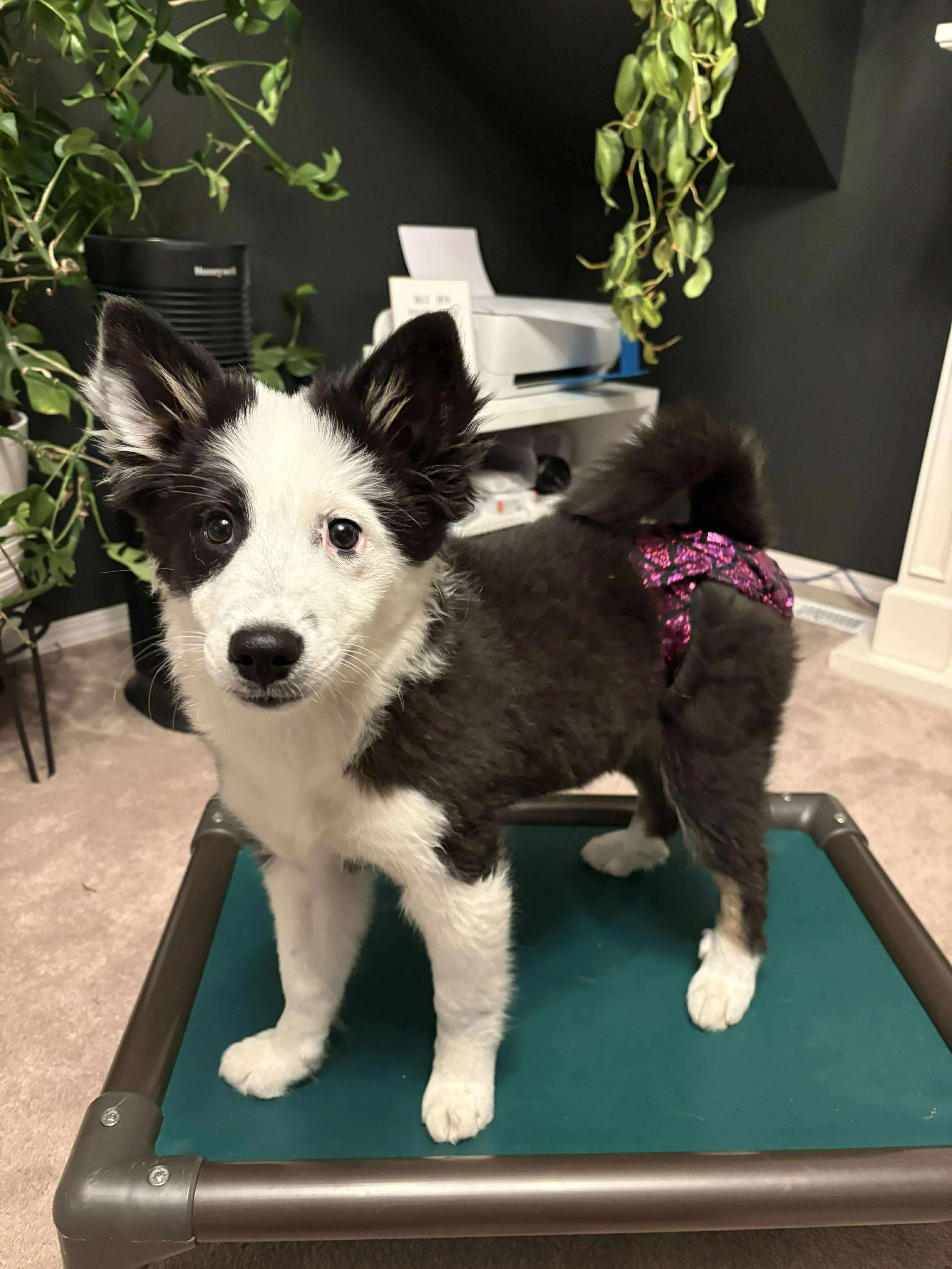
Pants are generally only worn when the in heat girl is loose in the house to protect the floors and furniture from discharge. They sleep in their crates when in heat and do not wear pants during that time. Obviously they are removed when outside. Always keep in mind that wearing pants when in heat is NOT a physical barrier that prevents mating. It is easy for dogs to mate when wearing any type of garment including pants and belly bands. The only way to prevent breeding is by keeping males and females separate at all times.
The Impending Heat Cycle
Heat cycles occur about every 6-10 months, but can be dependent on the individual and the history of the maternal line. It can be helpful to know the timing of closely related female relatives to help predict when your young dog may come into heat for the first time. I usually start checking my girls weekly for signs of heat once they reach 7-8 months of age. It can be normal for girls not to come into heat until later in life; my latest first heat cycle was at 14 months and she went on to carry a perfectly normal pregnancy!
The impending heat cycle may be signaled by slight behavior changes. Females that are about to come into heat can be more moody than normal. You may see a shorter fuse with other dogs, inability to focus and stay engaged during training, clinginess or lethargy, etc. Any notable behavior changes in my girls usually trigger me to check them for signs of heat more often.
The first physical sign of a heat cycle is usually bloody discharge from the vulva accompanied by vulvar swelling. In some girls, one may precede the other but both occur within a few days. Bleeding can be variable in amount, consistency, and odor. Most of my Icelandic Sheepdogs do not bleed excessively and do not have much of an associated odor. You will also see your female licking and cleaning herself more often. Males of any sort (neutered or intact) may also be more interested in sniffing or investigating the female as she is coming into heat.
My Girl is Heat - What now?
Heat cycles generally last about 3-4 weeks, but some can go on for 6 weeks or longer. At the beginning of the heat cycle I ALWAYS write down the start date for future reference. Keeping track of heat cycles helps with predicting future heats and monitoring your girl’s reproductive health.
During and immediately following her heat your girl may be more moody and less tolerant of other dogs. I generally advocate for her by giving her lots of space, allowing for a place to rest on her own, and managing interactions closely. Some girls are prone to resource guarding of areas that may be seen as “dens” or other specific resources like toys and food. Advocate for your female by providing safe areas, limiting access of other dogs to her precious resources, and maintaining mental stimulation where possible to keep her mind off those pesky hormonal changes. Some girls may also be snuggly and more clingy, wanting to spend more time in your lap. It can also be normal for them to have less energy and inability to engage for long periods of training. Note any of these behavior changes and keep in mind that heat cycles are temporary and her normal personality will return. Hormones are no fun for anyone!
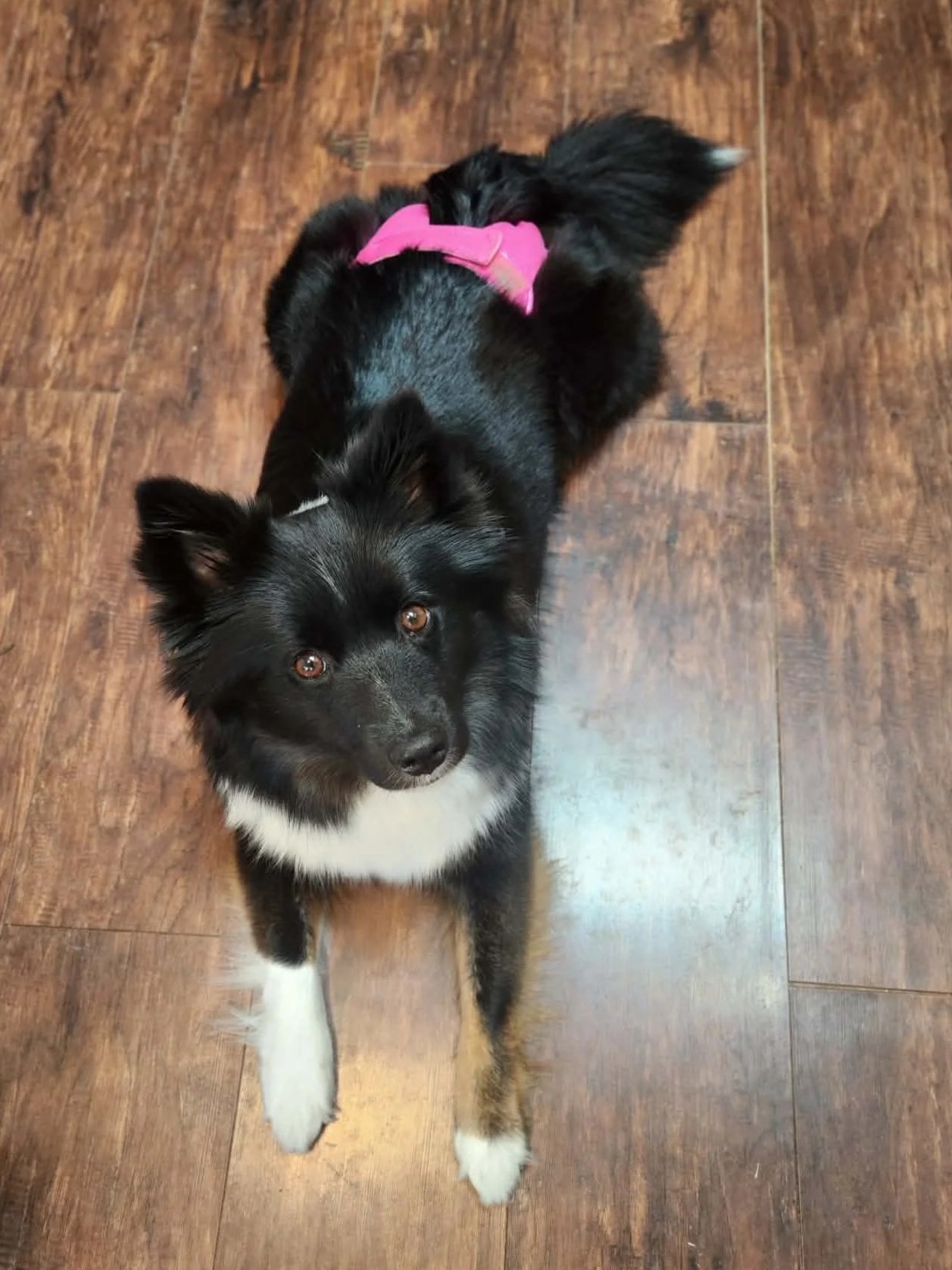
During the 3-4 weeks she is in heat, you will note vulvar discharge and swelling. The BEST indicator that the heat cycle is over is when the vulvar swelling dissipates. Prior to swelling reduction, assume your girl is still in heat. Towards the end of the heat cycle, discharge tends to thin and turn to straw or lighter colored instead of frank blood. Initial changes in discharge color or amount tend to coincide with the onset of ovulation (the fertile period of the heat cycle), so don’t make the mistake of assuming the heat cycle is over just because there is less discharge than you had been seeing.
While your female is in heat, there are a few changes to your daily routine that I would recommend. I do continue our normal schedules of training, attending classes, and physical exercise. Most training facilities will allow intact girls to attend classes with pants on, but always be sure to check with your instructor prior to attending class. Keep in mind that your in heat female may be more sensitive or struggle, so be patient and give plenty of opportunity for her to opt in or out of specific exercises. In heat girls can hike and exercise as normal, with the exception of being sure to avoid areas where you may encounter off leash dogs or submersion in water. Do not take your in heat girl to dog daycare, off leash dog trails or dog parks, or to areas with swimming or wading. It is also not recommended to leave your in heat female alone unattended while outdoors, even in a fenced yard.
I recommend keeping your female on a high quality probiotic through the duration of the heat cycle for her general health - I use Purina Fortilfora tablets.
Post-Heat Melodrama
After ovulation occurs, the heat cycle usually completes within 5-7 days. At this time vulvar swelling and discharge will have resolved. HOWEVER, every female who goes into heat has the same initial hormone changes as if she were pregnant. This means that false pregnancies or post-heat behavior changes are common and normal. These behavior changes can last up to 2 months and then usually resolve completely. Some common behavior changes that I have seen in my girls include - clinginess, fatigue/lethargy and sleepiness, resource guarding of areas they may consider “dens”, short temper with other dogs, inconsistent appetite for meals or training treats.
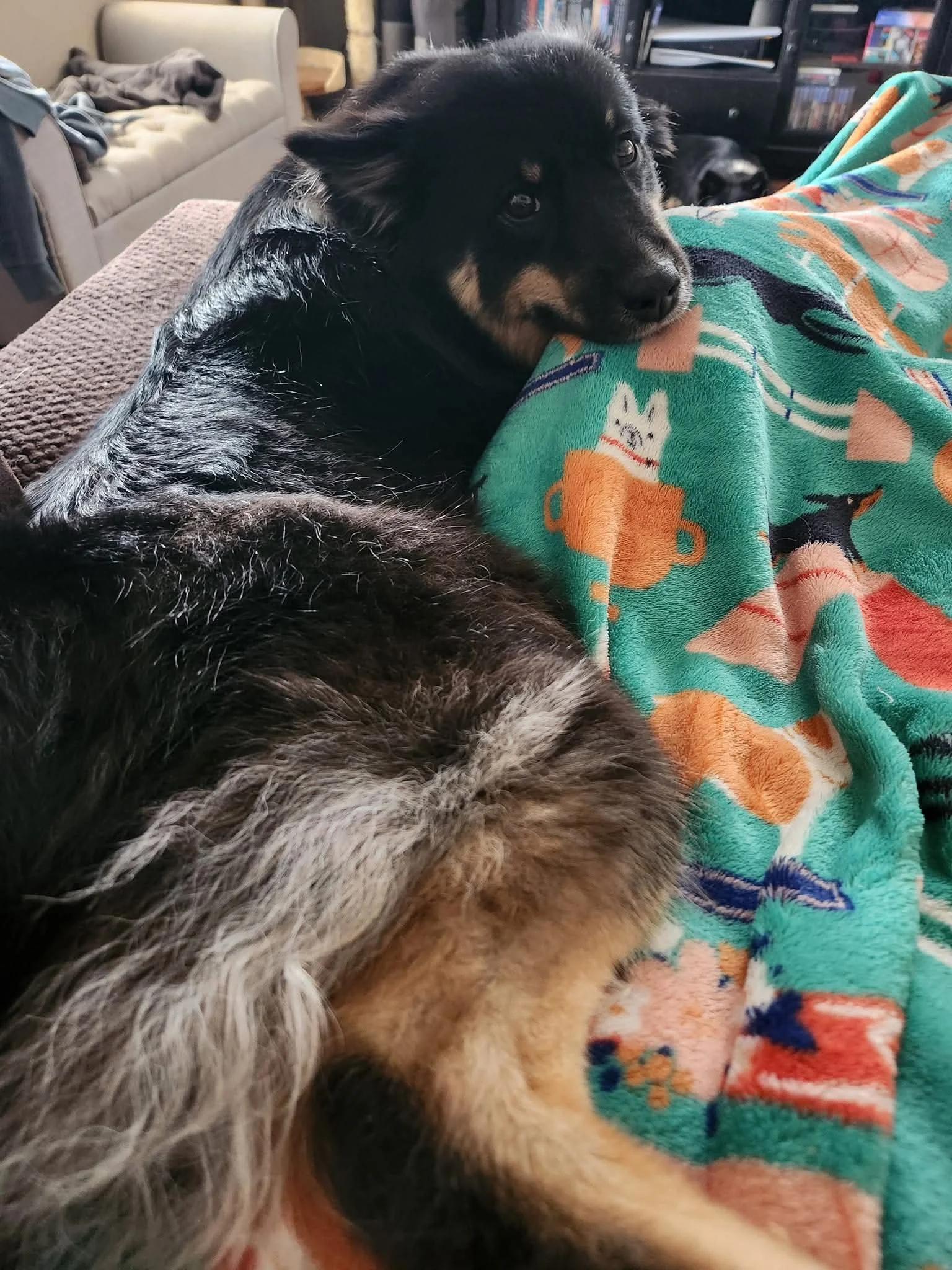
If an extreme false pregnancy occurs, your female may display nesting behavior, hoarding of toys as “puppies”, lactation, etc. These changes are temporary and it is recommended not to play into their compulsions. Avoid allowing collection of toys and denning behavior. Keep her exercised and mentally stimulated so she does not continue to trigger her pregnancy and maternal hormones by practicing maternal behaviors. I have never personally had an extreme false pregnancy, but it is worth noting that it can occur.
If your post-heat female is extremely lethargic, running a fever, drinking excessive amounts of water, not eating at all for 24 hours, has foul-smelling or pus-like vulvar discharge, or seems “off” it is worth a veterinary visit for a check-up. After their heat cycle, female dogs are susceptible to a potentially dangerous infection of the uterus called pyometra. Pyometra in dogs can be detrimental and can only occur within the 2-3 months following a heat cycle due to hormone changes that occur after ovulation. Pyometra occurs when pathogenic fecal bacteria ascend into the uterus through the open cervix. This is the reason I recommend keeping every in heat female on probiotics and a high quality diet to reduce the risk of pathogenic bacteria. If your female has diarrhea, rinse her fur to help reduce bacterial contamination and give her Pro-Pectalin to help form up the stool. Do not bathe or allow your in heat female to swim due to risk of bacteria gaining access to the uterus through water.
General Reproductive Health
Maintaining intact females is not much more complicated than a spayed female! Heat cycles occur generally only once to twice a year (every 8 months) for my females, and can be relatively simple with only a few behavior changes and adjustments. Keeping an eye on your girl and noting any extreme changes or signs of illness will allow you to be proactive with veterinary care when needed.
In addition to watching for signs of pyometra after heat cycles, it is important to monitor your female (whether spayed or unspayed) for signs of mammary masses/tumors. Assess the mammary tissue periodically for any abnormal lumps or bumps and be sure to remind your veterinarian each year at the annual physical that your female is intact. Any mammary masses should be removed with appropriate histopathology in a timely fashion.
Younger females/puppies occasionally have mild vulvar discharge or increased urination associated with vaginitis. Puppy vaginitis is generally sterile (no infection) and is best managed with occasional anti-inflammatories and probiotics. Vaginitis tends to resolve after the first heat cycle. Recessed or hooded vulvas can make puppies more prone to vaginitis or irritation from urine and bacteria collecting on the skin, and, again, tend to resolve after the first heat when the vulvar anatomy matures.
If you plan to spay, it is recommended to wait about 12 weeks after a heat cycle to do so. Try to avoid spaying your female immediately after a heat cycle - this can trigger an aggressive and frustrating false pregnancy. Spaying while in heat can also increase the risk for bleeding during surgery or surgical complications due to increased vessel size and friability of tissues. Obviously, sometimes it cannot be avoided and dogs have been spayed during or immediately after heat without issues.
A Note About Oddities
The “silent heat” is a somewhat obscure term that you may sometimes hear in the dog world. It’s often used in reference to an accidental pregnancy or mating. Silent heats are very rare and involve a heat cycle that is not as obvious as normal - generally there is much less swelling and only minimal discharge. The female will still be attractive to males and will likely display all the common behavioral changes you see in her during or after heat. If your female is late for her heat cycle, is attractive to males, or is acting odd - it is a good idea to have her assessed for a silent heat. Silent heats are easily screened for with progesterone testing. A progesterone level above baseline indicates a heat cycle and how elevated it is can give you an idea of where she is in the estrus cycle and whether or not she has already ovulated.
Split heats are also very uncommon. A split heat occurs when a female shows all the signs that she has come into a normal heat cycle that then ends, sometimes abruptly and sometimes within the length of a normal cycle. The female then comes into heat again 1-2 months later. When this occurs it means the female did NOT ovulate with the first heat, but generally will ovulate on the closely following cycle. If you have a female who resides with intact males, I recommend having progesterone testing done at the conclusion of every heat cycle. This allows you to confirm without a doubt that ovulation did occur and that a split heat is not in your future.
I know this is a lot of information and may be overwhelming at first, but knowledge is power! As always, your breeder is your best source of information for what is common in relatives of your lady dog. If you have any questions or concerns about what is normal or not, be sure to touch base with your breeder or veterinarian. However, armed with a basic understanding of heat cycles and reproductive health, you are well on your way to managing your intact female successfully.